News Detail
Do You Know How to Read the Ingredients on Cat and Dog Food Labels?
Choosing the right pet food isn't just about selecting a popular brand or comparing prices. Learning how to read food labels allows you to better understand your pet's nutritional needs and choose products that suit their age, lifestyle, and health requirements. An informed choice today can contribute to your pet's health and quality of life for years to come.
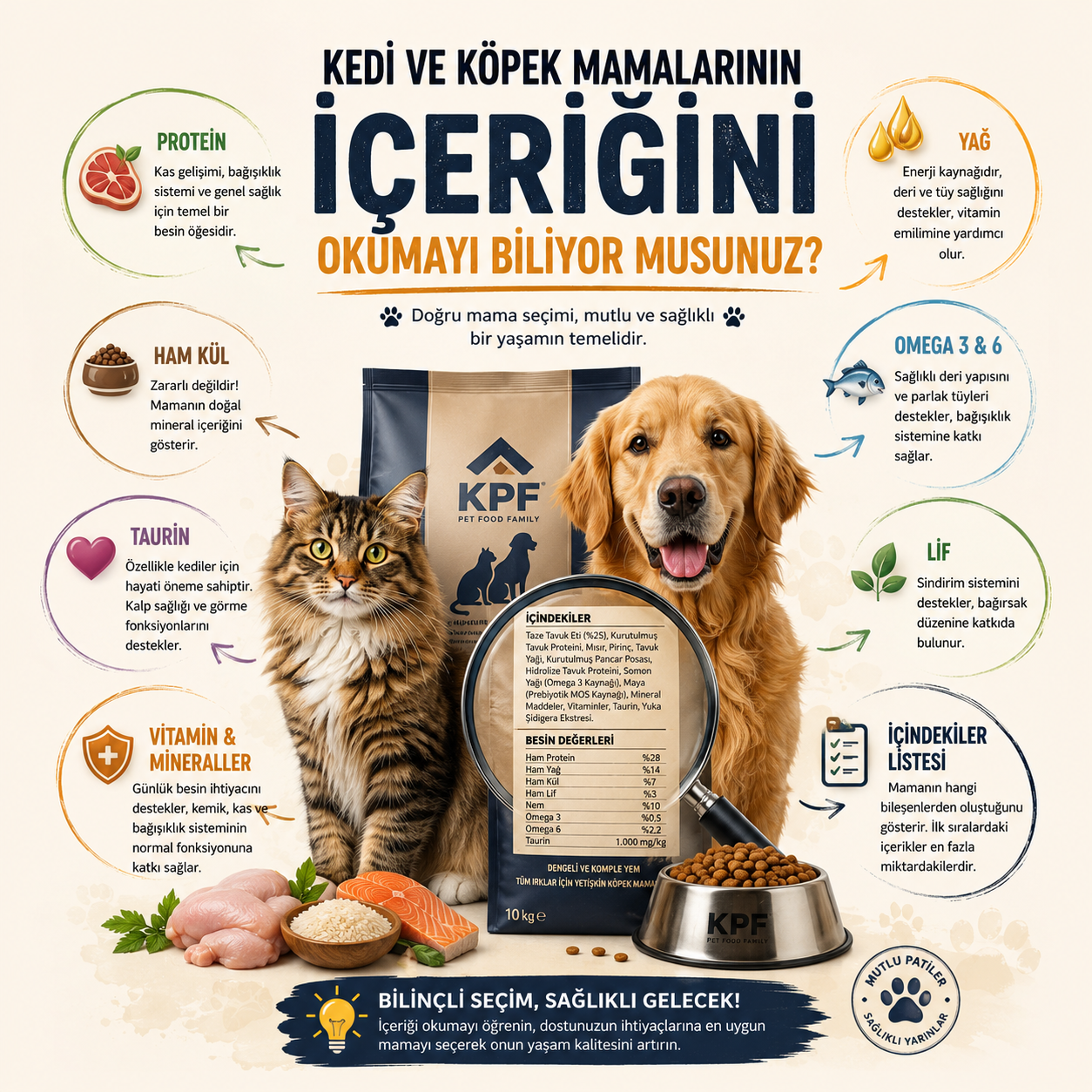
Do You Know How to Read the Ingredients on Cat and Dog Food Labels?
When choosing food for our beloved pets, many of us focus on the brand, packaging, or price. However, the true quality of pet food is often found on the back of the package, in the ingredient list and nutritional analysis.
But what do terms like protein, crude ash, taurine, and Omega-3 actually mean?
In this guide, we'll explain the key information you should look for when reading pet food labels, helping you make more informed choices for your furry companions.
1. Why Is Protein Important?
Protein is one of the most essential nutrients for maintaining muscle mass, supporting the immune system, and promoting overall health.
However, a higher protein percentage doesn't automatically mean better quality. What's most important is that the protein comes from high-quality, highly digestible sources.
Each cat and dog has different protein requirements depending on age, activity level, breed, and overall health.
2. Fat Provides Essential Energy
Dietary fats play several important roles in your pet's daily nutrition.
They help:
Provide energy
Support healthy skin and a shiny coat
Aid in the absorption of fat-soluble vitamins
Balanced fat levels are especially important for active pets with higher energy needs.
3. Crude Ash Is Not Harmful
One of the most misunderstood terms on pet food labels is Crude Ash.
Crude ash refers to the natural mineral content remaining after laboratory analysis of the food.
These minerals include:
Calcium
Phosphorus
Magnesium
Potassium
Rather than being an artificial ingredient, crude ash simply represents the mineral composition of the food.
4. Why Are Omega-3 and Omega-6 Important?
Omega fatty acids contribute to many aspects of your pet's well-being.
They help support:
Healthy skin
A shiny, healthy coat
Normal immune system function
Pets with sensitive skin or coat issues may particularly benefit from balanced levels of these essential fatty acids.
5. Taurine Is Especially Important for Cats
Unlike many other animals, cats cannot produce sufficient taurine on their own.
For this reason, quality cat food typically includes taurine to help support:
Heart health
Vision
Overall well-being
6. Fiber Supports Digestive Health
An appropriate amount of dietary fiber can help:
Promote healthy digestion
Support regular bowel movements
Improve stool quality
Fiber is particularly beneficial in formulas designed for weight management or hairball control.
7. Why Are Vitamins and Minerals Added?
Pet food is carefully formulated with essential vitamins and minerals to help support:
Daily nutritional requirements
Healthy bones and teeth
Muscle function
Normal immune system activity
A balanced formula helps ensure pets receive complete and appropriate nutrition.
8. Always Read the Ingredient List
When choosing pet food, don't focus only on the guaranteed analysis.
The ingredient list provides valuable information about what the food contains and helps you make more informed decisions based on your pet's individual needs.
Conclusion
Choosing the right pet food isn't just about selecting a popular brand or comparing prices.
Learning how to read food labels allows you to better understand your pet's nutritional needs and choose products that suit their age, lifestyle, and health requirements.
An informed choice today can contribute to your pet's health and quality of life for years to come.
🐾 KPF Expert Tip
Every cat and dog has unique nutritional needs based on age, breed, activity level, and overall health. When selecting pet food, these factors should always be considered. If your pet has a specific medical condition, consult your veterinarian for personalized nutritional advice.